Ways to Selecting the Perfect General Contractor for Your Next Home Project
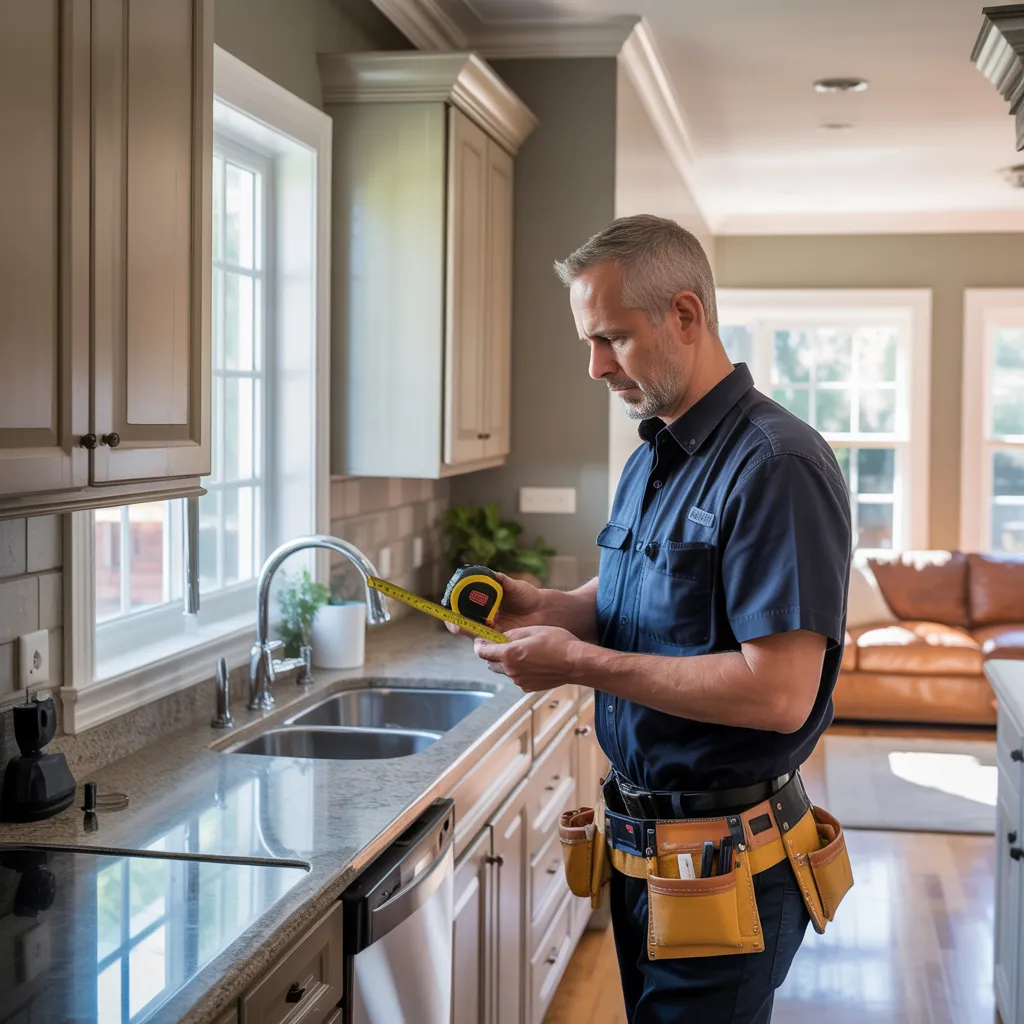
Selecting an appropriate general contractor for a home project is a crucial decision. This requires thorough evaluation of various factors, including expertise, qualifications, and ability to communicate. Numerous property owners miss key aspects, leading to costly mistakes. Understanding how to evaluate prospective professionals can make a significant difference. By focusing on vital standards and asking the right questions, one can manage this complex process more successfully. What are the important procedures to ensure a successful partnership?
How to Prevent Regular Problems When Hiring a Contractor
When choosing a general contractor, how can one handle the numerous of alternatives without falling into frequent pitfalls? Prospective clients frequently miss important aspects that can bring about unsatisfactory outcomes. First, depending just on price can be confusing; the lowest price may signify poor standards or hidden costs. Additionally, not reviewing referrals or web evaluations can end up with an unreliable professional. It is also necessary to avoid making decisions based on charisma alone; a friendly builder may not demonstrate competence or trustworthiness. Moreover, not setting clear communication and goals can cause confusion and disappointment. Finally, not reviewing contracts thoroughly before signing can result in unexpected obligations or lack of protection. By being watchful and educated, homeowners can make better choices, finally achieving a successful outcome.
Important Points to Review in a Contractor's Experience
When evaluating a contractor's expertise, several key factors are at play. Experience with related projects, professional credentials, and an extensive portfolio of delivered projects function as essential markers of their capabilities. Reviewing these factors can deliver valuable insights into the contractor's suitability for the given assignment at hand.
Applicable Project Background
Knowing a contractor's germane track record is indispensable for ensuring the success of any building endeavor. Interested parties clients should evaluate the contractor's works, zeroing in on completed projects similar in breadth and style to their own. This involves reviewing assessing the superiority of construction work, compliance with to timelines, and fiscal management in previous initiatives. Furthermore, it is beneficial to pose questions about the assortment of materials used and the contractor's acquaintance with local codes and regulations and provisions. Remarks and endorsements from bygone clients can provide insights into the contractor's faithfulness and communication skills. To sum up, a contractor with noteworthy relevant experience can surmount challenges effectively, ensuring the project meets the homeowner's requirements and standards.
Professional Qualifications And Authorizations
Certification and licensing function as essential indicators of a contractor's professional competence and skill in the construction industry. When choosing a general contractor, it is crucial to confirm that they possess the necessary licenses required by local and state regulations. These licenses demonstrate adherence to building codes and safety standards. Additionally, industry certifications, such as those from the National Association of Home Builders or similar organizations, reflect a contractor's commitment to quality and ongoing education. Contractors with specialized certifications may also possess skills in specific areas, such as green building or remodeling. Ensuring that a contractor has the appropriate credentials not only improves confidence in their capabilities but also reduces potential legal and financial risks during the project.
Portfolio Of Completed Work
A contractor's portfolio of completed work serves as an essential tool for assessing their experience and capabilities. This collection ought to feature a range of projects, showing flexibility in multiple styles and complexities. When examining a portfolio, potential clients should look for high-quality images that visibly illustrate the skill involved. It is also beneficial to see projects that fit the homeowner's exact needs or visual inclinations. Attention to detail, original solutions, and adherence to timelines are critical indicators of a contractor’s skill. Additionally, client feedback or case studies in the portfolio can give further insights into the contractor's work ethic and trustworthiness. Ultimately, a solid portfolio can enable homeowners to make educated decisions about their upcoming projects.
Methods to confirm Your Contractor's Qualifications and Licenses
Begin by confirming a general contractor's qualifications and certifications before enlisting them, as this proves crucial to verify they fulfill industry standards. Commence by checking with local licensing boards to confirm that the contractor possesses the required permits for your location and type of work. Because each state has its own standards, knowing these guidelines will avert future problems.
In addition, ask about insurance plans, including liability and workers' compensation, to ensure defense against potential accidents or damages. Collect references from previous clients and verify to gauge satisfaction and consistency.
Finally, review any credentials the contractor may have, as these often demonstrate specialized training and compliance with industry best practices. A comprehensive review process not only guarantees compliance but also builds confidence in the contractor's ability to complete the project successfully.
Why Dialogue Is Crucial in Your Contractor Partnership
Strong dialogue is critical in the contractor-client relationship, shaping the project's achievement from day one. Open dialogue establishes expectations, timelines, and budgets, ensuring both parties are aligned on the project's goals. When clients express their vision with effectiveness, contractors can provide informed suggestions and solutions, enhancing the overall outcome.
Frequent updates and open channels of contact permit timely resolution of issues as they arise, curtailing potential delays. Additionally, a professional who hears and responds to customer concerns strengthens confidence, which is essential for collaboration.
Additionally, strong communication assists in addressing alterations and surprise difficulties, ensuring the project on schedule. It allows the builder to modify approaches based on customer feedback, ensuring satisfaction across all phases. Finally, emphasizing dialogue not only reinforces the professional-client bond but also significantly aids in the effective completion of the home construction.
Fundamental Questions to Request of Your Project Manager in Preliminary Discussions
During early meetings with a contractor, clients need to prioritize understanding their qualifications and credentials. It is vital to ask about the project timeline and budget to maintain alignment with the client's standards. These questions lay a foundation for a successful partnership and efficient project management.
Experience and Qualifications
Picking a general contractor depends on understanding their track record and qualifications. Homeowners should raise inquiries about the contractor's years in the industry and the categories of work they have completed. Crucial queries about authorizations, credentials, and insurance are imperative, as these guarantee compliance with local regulations and provide protection during the project. Moreover, reviewing past work through showcases or references can offer insight into the contractor's craftsmanship and reliability. It is also beneficial to ask about their expertise with equivalent assignments, as this can reveal their capacity to tackle unique issues. Ultimately, evaluating a contractor's experience and qualifications builds trust and helps homeowners choose wisely when planning their home work.
Project Timetable and Budget
How can property owners ensure their project stays on budget track and temporally when consulting with a general contractor? To maintain alignment, they should ask important questions during initial meetings. Homeowners must ask about the estimated timeline for work completion and any possible setbacks that could arise. Comprehending the contractor's method to managing schedules is crucial. Additionally, discussing the budget upfront is important; property owners should obtain clear information on cost estimates, payment schedules, and any built-in contingency funds for unexpected costs. Asking about past work can offer understanding into the contractor's reliability in meeting deadlines and staying within budget. By establishing clear communication regarding schedules and budgets, property owners can foster a collaborative partnership with their contractor, improving the probability of a successful project.
Tips for Verifying References and Reviewing Reviews
What procedures should one undertake to guarantee a general contractor is reliable? First, it is vital to demand a list of references from potential contractors. A reputable contractor will promptly provide names and contact information of previous clients. One should reach out to these references to learn about their experiences, focusing on aspects such as dialogue, quality of work, and schedule compliance.
Furthermore, reviewing online opinions on complete information services like Google, Yelp, or Angie's List can deliver helpful knowledge. It is vital to search for common patterns in the reviews—steady positive or negative feedback can demonstrate credibility or potential concerns.
Furthermore, examining for any grievances filed with local licensing boards or consumer protection agencies can reveal a contractor's background. Finally, requesting recent project photos can assist in evaluating the quality of their work. By following this approach, one can make a more informed decision when choosing a construction professional.
Understanding Contractor Pricing and Financial Terms
Homeowners should also understand common payment terms. Most contractors demand a initial deposit, accompanied by installment payments connected to key completion points. It's important to clarify these terms before committing to an agreement to avoid misunderstandings. Additionally, homeowners should ask about possible extra expenses, such as permits or surprise repairs. Transparent dialogue regarding pricing and payment terms will establish a straightforward business partnership, ultimately generating a positive project outcome. Understanding these aspects gives homeowners the ability to make smart choices when hiring a general contractor.
Often Posed Questions
How considerable time will it take to complete the project?
The project's timeline typically fluctuates depending on scope and complexity. Generally, you may need weeks through several months. Weather, material availability, and labor resources can substantially impact the project completion timeline.
What Takes Place if Unexpected Problems Surface During Construction?
If unexpected complications arise during building, the contractor usually evaluates the situation, communicates with the property owner, and suggests remedies. Adjustments to the timeline and costs may be necessary, ensuring transparency throughout the project.
Does My Project Require Permits or Inspections?
Most undertakings demand permits along with inspections to ensure adherence with local building codes. It is essential to consult with a general contractor who comprehends these requirements, as they can navigate the permitting process effectively.
How Are Subcontractors and Payment Arrangements Managed By You?
A trustworthy construction professional oversees sub-contractors by establishing clear contracts outlining payment terms. They guarantee prompt payment, maintain open communication, and monitor subcontractor performance, promoting a collaborative environment that contributes to project success and efficiency.
What Are Your Standards Regarding Project Changes or Upgrades?
A versatile methodology to alterations in scope is upheld by the contractor, insisting on written documentation for any upgrades. They promise open dialogue, examine cost implications, and adjust deadlines accordingly to support the client's evolving needs and preferences.